




An Introduction to Warehousing logistics: All Important Basics You Need to Know about Warehousing.
Warehousing is a fundamental component of logistics operations, serving as a crucial storage and distribution hub for goods. Effective warehousing management ensures efficient inventory control, timely order fulfillment, and seamless supply chain operations. In this article, we will provide an introduction to warehousing logistics, covering its importance, functions, types of warehouses, and key considerations for successful operations.
Importance of Warehousing Logistics
Inventory Management: Warehouses play a vital role in inventory management by providing a controlled environment for storing goods. They facilitate smooth supply chain operations, enabling businesses to accurately track inventory levels, ensure stock availability, and minimize stockouts.
Order Fulfillment: Warehouses facilitate the efficient picking, packing, and shipping of products, enabling quick and accurate order fulfillment. They consolidate and organize inventory, making it easier to process and dispatch customer orders in a timely manner.
Risk Mitigation: Warehousing helps protect goods from damage, theft, or other risks during storage. Warehouses employ proper storage practices, security measures, and insurance coverage to ensure the safety and security of stored goods.
Market Expansion: Warehousing allows businesses to expand their reach by establishing multiple distribution centers strategically located closer to target markets. This enables faster and more cost-effective order fulfillment, reducing transportation costs and delivery times.
Functions of Warehousing
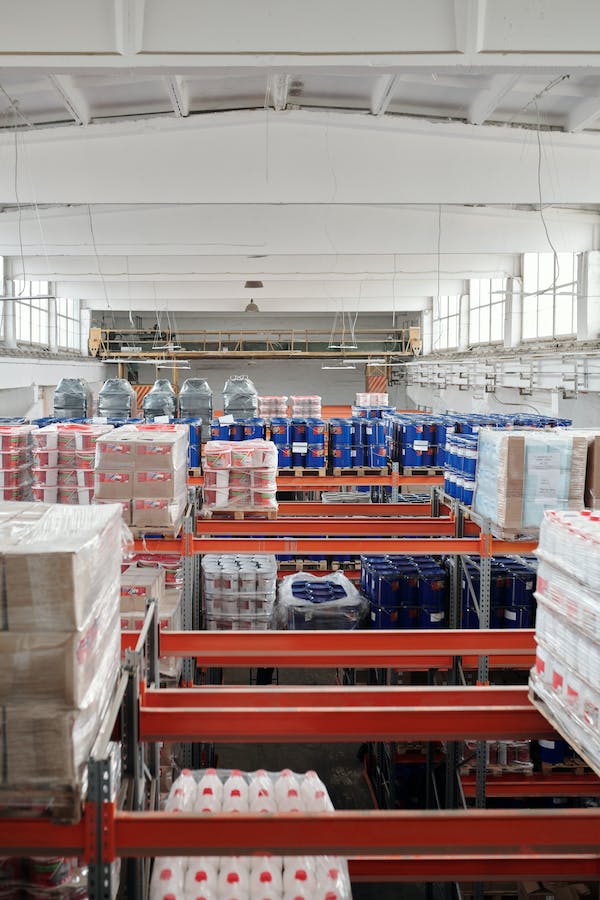
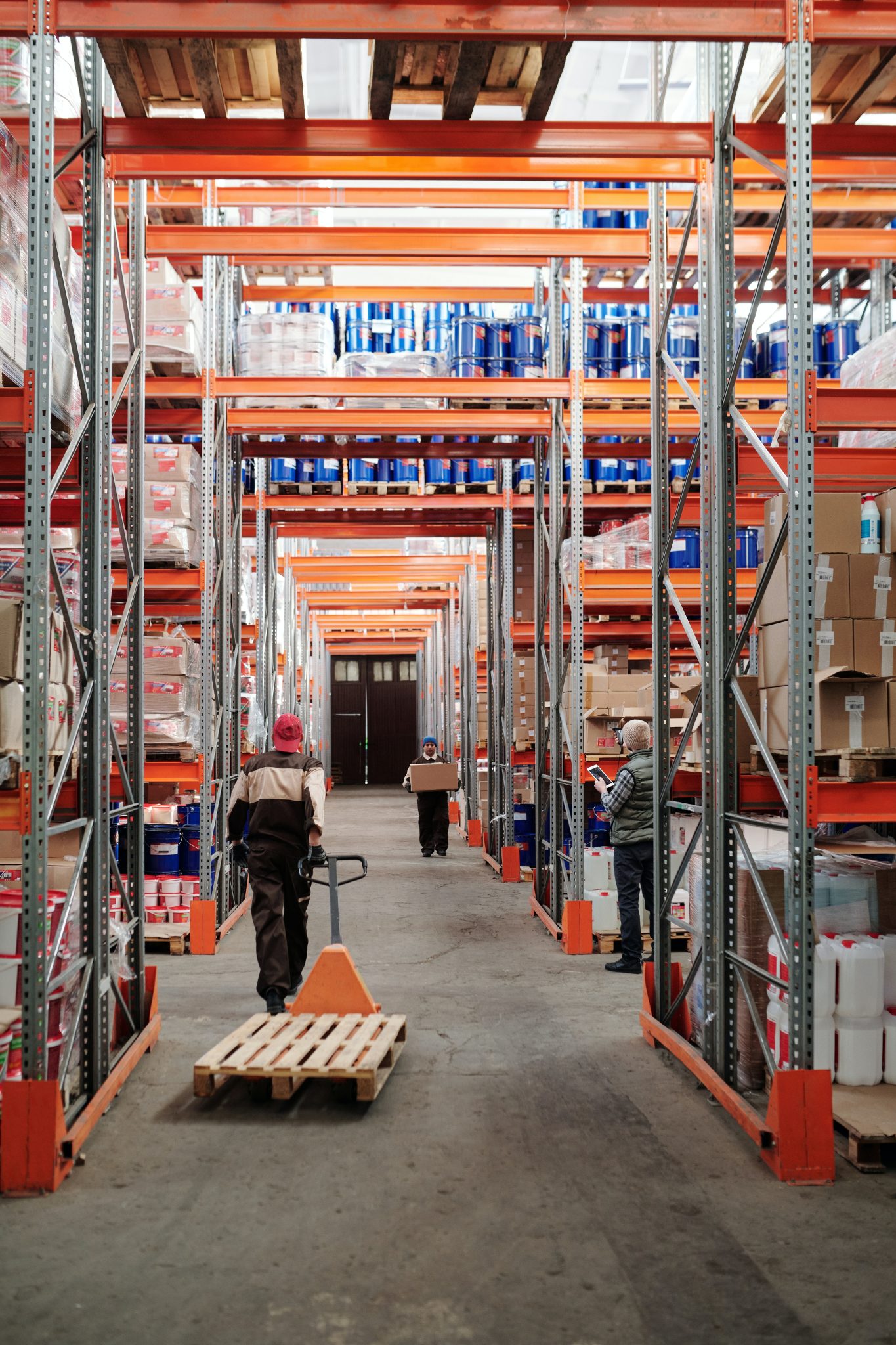
Storage: The primary function of a warehouse is to store goods securely and efficiently. Goods are received, inspected, labeled, and organized within the warehouse, ensuring easy access and proper inventory management.
Inventory Control: Warehouses maintain accurate records of inventory levels, ensuring stock is available to meet customer demands. Inventory control systems help monitor stock movements, implement replenishment strategies, and optimize inventory turnover.
Order Fulfillment: Warehouses receive, process, and fulfill customer orders based on inventory availability. They facilitate activities like picking, packing, and shipping, ensuring timely and accurate delivery of goods.
Consolidation and Breakbulk: Warehouses often serve as consolidation points, where smaller shipments from multiple suppliers are combined into larger shipments for cost-effective transportation. Conversely, they also facilitate the breakbulk process, where large shipments are separated into smaller units for distribution to various destinations.
Value-Added Services: Warehouses can offer value-added services like labeling, repackaging, quality inspections, and assembly services. These services add customization or improve the condition of goods before they are delivered to the end customer.
Types of Warehouses.
Public Warehouses: Public warehouses are owned by third-party logistics providers (3PLs) and offer storage and distribution services to multiple clients. They provide flexible storage space and often offer value-added services. Public warehouses are beneficial for businesses with fluctuating storage needs or those looking to outsource warehousing operations.
Private Warehouses: Private warehouses are owned and operated by a specific business or company. They provide exclusive storage and distribution facilities dedicated to the needs of that specific organization. Private warehouses offer more control and customization but come with the responsibility of managing the entire facility and associated costs.
Distribution Centers: Distribution centers are warehouses designed to efficiently receive, store, and distribute goods to a specific geographic area. They optimize last-mile delivery and often specialize in handling high volumes of fast-moving products, ensuring swift order fulfillment.
Temperature-Controlled Warehouses: Temperature-controlled warehouses, also known as cold storage facilities, maintain specific temperature and humidity conditions for storing perishable goods, such as food, pharmaceuticals, or chemicals. These warehouses require specialized equipment and expertise to preserve product integrity.
Key Considerations for Warehousing
Location: Choosing the right warehouse location is crucial for optimizing distribution operations. Factors like proximity to suppliers, customers, transportation networks, and availability of skilled labor should be considered when selecting a warehouse location.
Warehouse Management Systems (WMS): Implementing a robust WMS is essential for effective warehouse management. WMS software helps automate processes, manage inventory, streamline order fulfillment, and provide real-time visibility into warehouse operations.
Security and Safety: Warehouses need proper security measures to protect goods from theft and damage. Implementing security systems, ensuring controlled access, and adhering to safety regulations are important for maintaining a secure warehousing environment.
Inventory Tracking and Technology: Utilizing technology solutions like barcode scanning, RFID (Radio Frequency Identification), or IoT (Internet of Things) devices can enhance inventory tracking accuracy, improve product visibility, and streamline warehouse operations.
Optimizing Space and Layout: Efficient utilization of storage space is crucial in maximizing warehousing efficiency. Implementing proper storage systems, such as racks, shelves, mezzanine levels, and employing optimized layout designs, can help enhance storage capacity and accessibility.
Conclusion:Warehousing logistics plays a vital role in the overall supply chain management process, providing storage, distribution, and value-added services. Effective warehousing ensures proper inventory management, order fulfillment, and risk mitigation. By understanding the importance, functions, types, and key considerations of warehousing logistics, businesses can optimize their supply chain operations, improve customer satisfaction, and ensure the smooth flow of goods from manufacturers to end customers.


